

The boat followed a route shaped not by roads, but by weather, tides, and distance. For many island residents, Doktorinnan represented the closest — and sometimes the only — access to primary healthcare. When we tied up at a jetty, patients were often already waiting, some with scheduled visits, others arriving as the opportunity arose.
The onboard clinic was modest but efficient. Medicine here relied less on technology and more on clinical judgment, experience, and trust. Each consultation carried an added weight: could the patient be safely treated on site, followed up at the next visit, or did the situation require transport to the mainland? Archipelago medicine demands clear decisions and a broad generalist’s perspective.
Patients ranged from elderly islanders with chronic conditions to fishermen, seafarers, seasonal residents, and the occasional visitor caught off guard by illness or injury. Consultations were unhurried and personal, often blending medical concerns with stories of weather, work, and life at sea. Continuity was a defining feature — you met the same patients again, followed their conditions over time, and became part of the community you served.
Working aboard Doktorinnan meant meeting patients where they lived. Healthcare became mobile, adaptive, and deeply contextual. The responsibility was tangible, but so was the sense of purpose.
Those years as an archipelago doctor were demanding, sometimes solitary in decision-making, but profoundly meaningful. They reinforced what medicine ultimately comes down to: presence, accessibility, and trust — even when the consultation room gently moves with the sea and the next island is already visible on the horizon.

Still water. Clear light. A small boat with a very specific purpose.
m/s Doktorinnan — a floating medical clinic serving Sweden’s west coast archipelago from 2001 to 2004.
Alongside her, Appendix — a compact RIB with waterjet propulsion, used for shallow approaches and rapid access when conditions or distance required it.
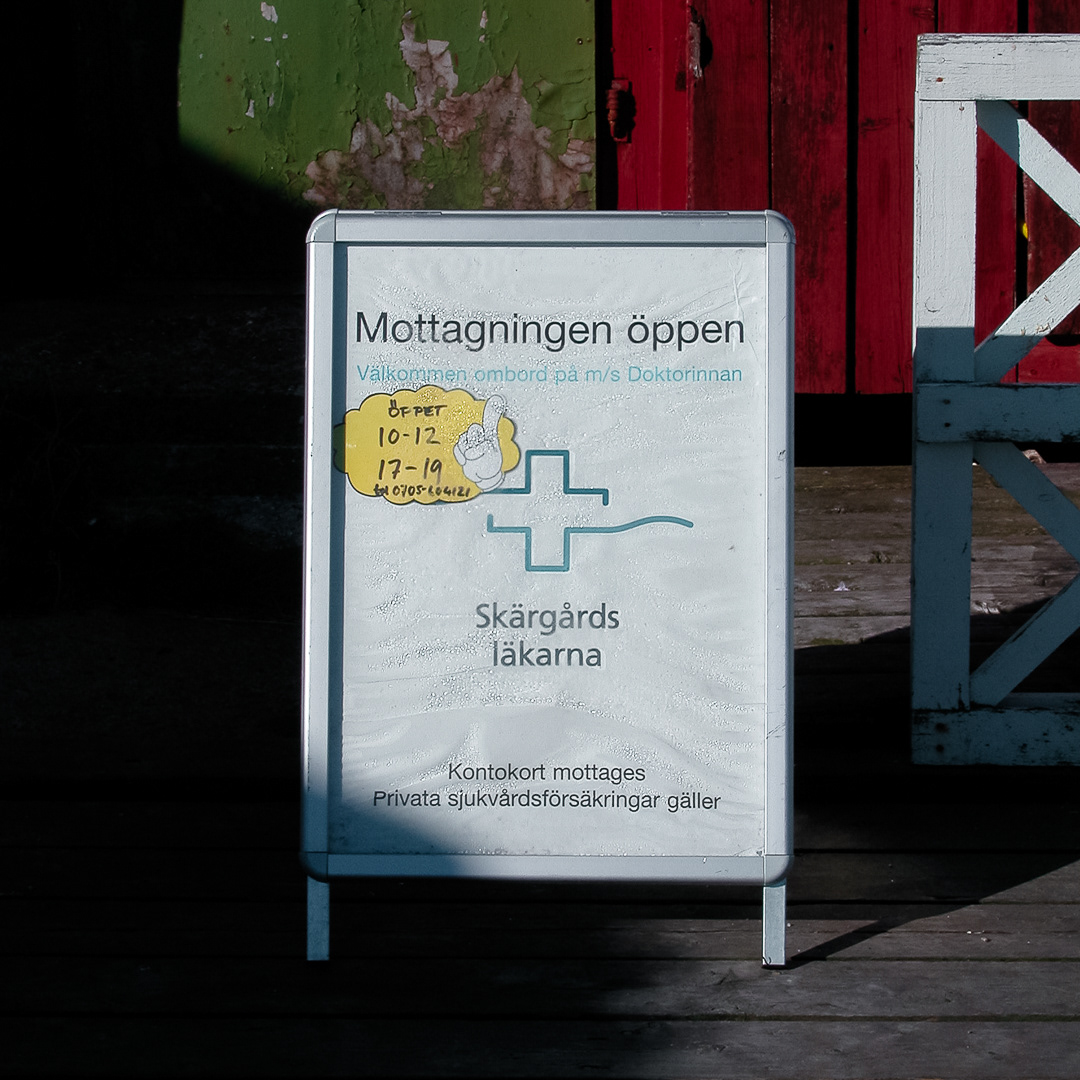
Healthcare didn’t begin in a waiting room.
It began at the jetty.
It began at the jetty.
A simple sign, handwritten opening hours, a familiar symbol. When m/s Doktorinnan was alongside, the clinic was open — and the islands knew it.
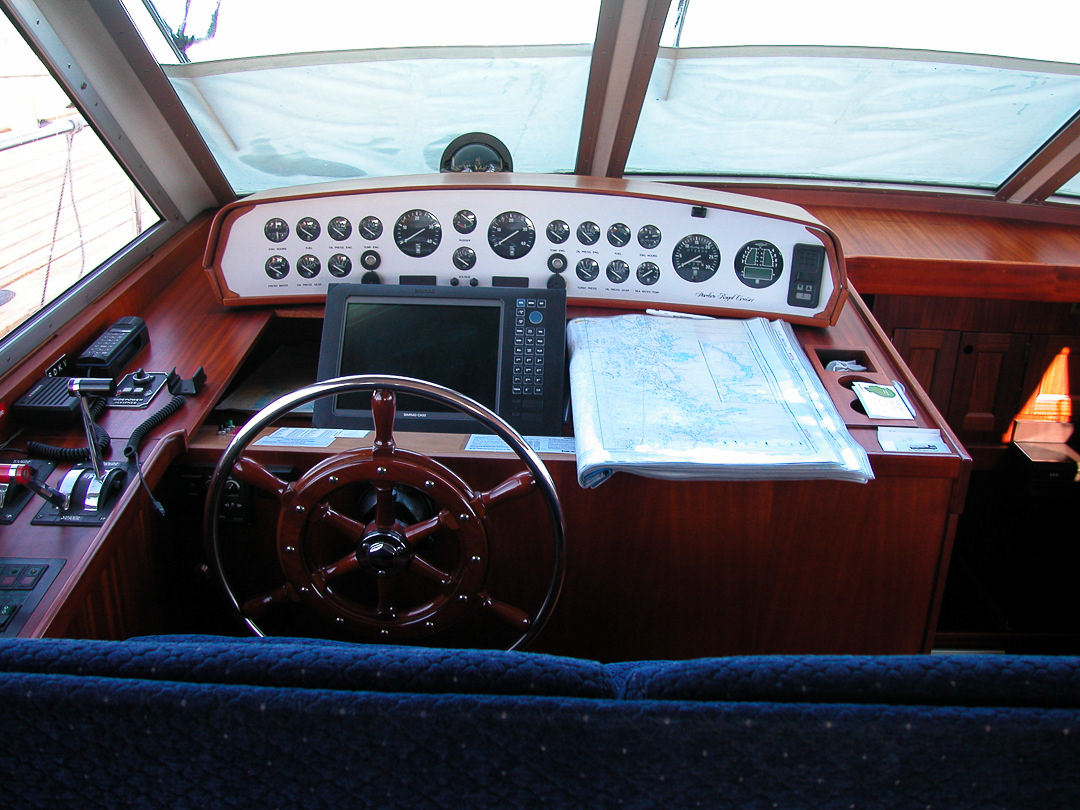
Navigation and medicine shared the same logic.
Preparation mattered. Situational awareness mattered even more.
Preparation mattered. Situational awareness mattered even more.
Weather, charts, and timing decided the route long before the first patient stepped aboard.
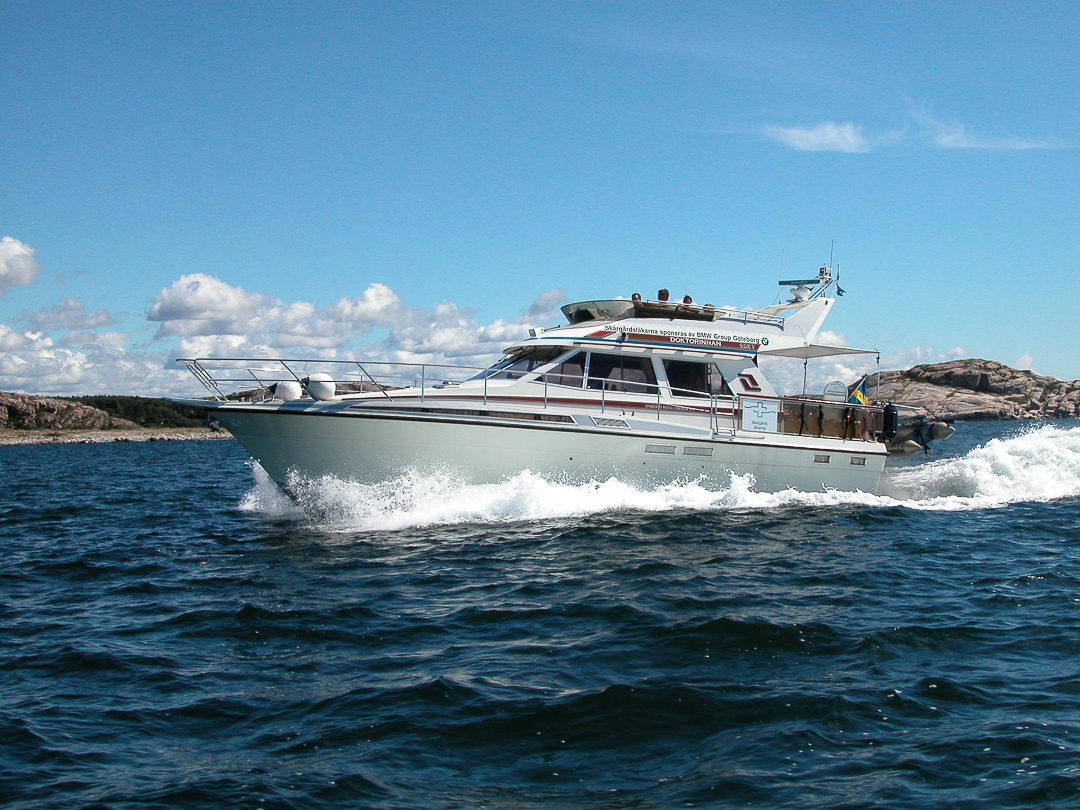
This was my workplace.
A mobile clinic where distance to mainland healthcare was measured in time, weather, and sea state.
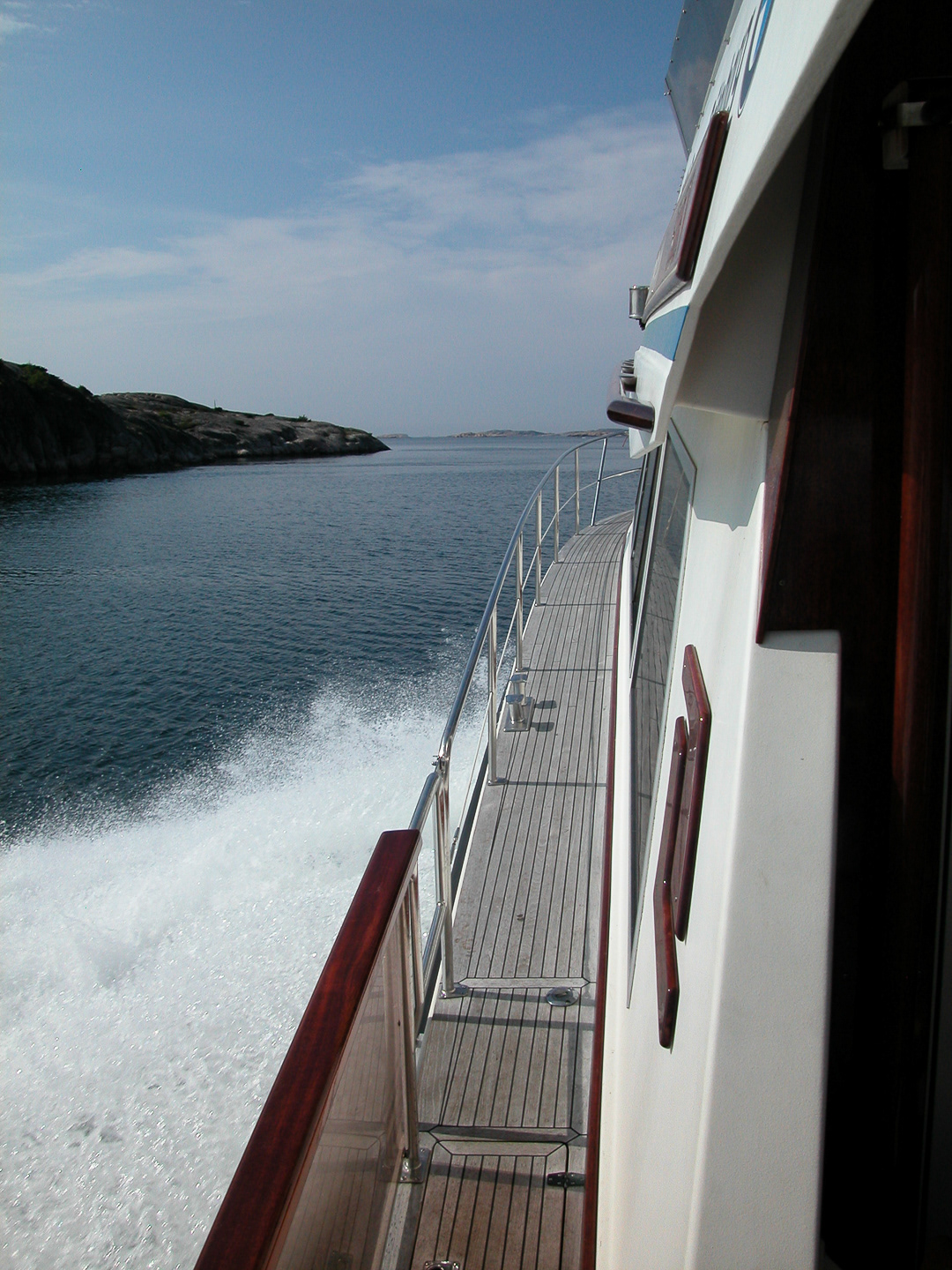
Between islands there was time to think.
Decisions were often made before arrival: treat on site, follow up next visit — or arrange transport ashore.

Patients were islanders, fishermen, seasonal residents.
Consultations were unhurried — not because time was abundant, but because rushing made no sense here.
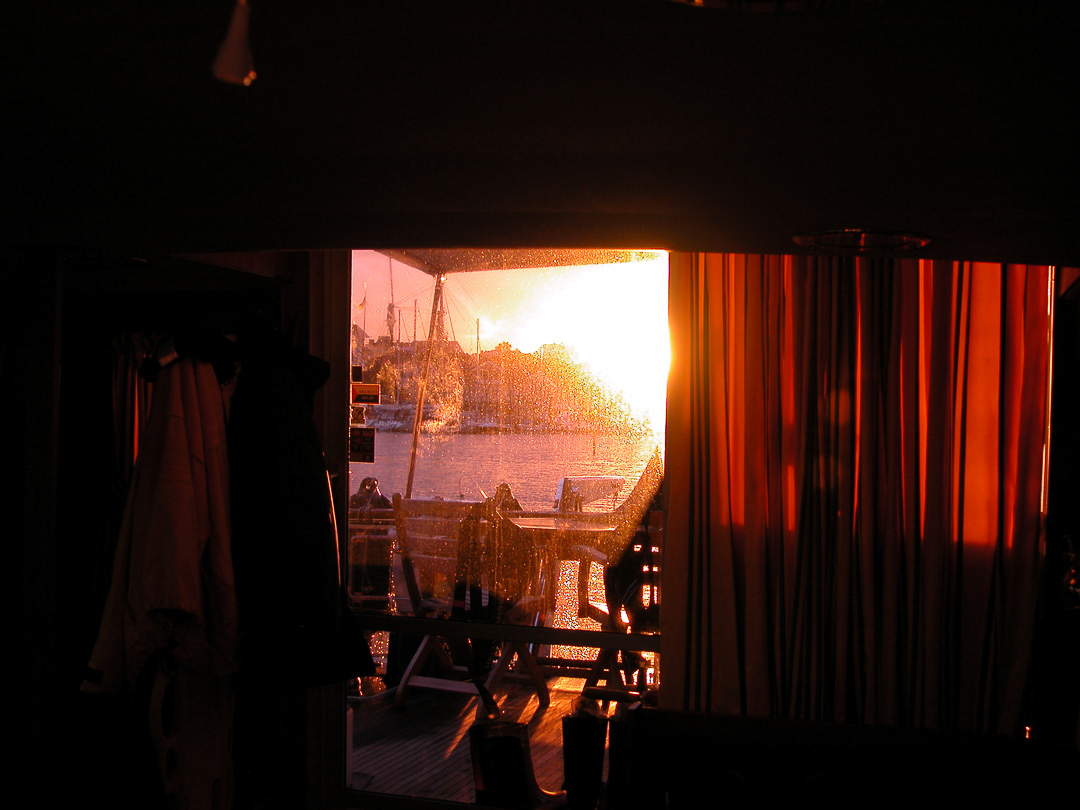
Working aboard Doktorinnan meant meeting people where they lived.
Responsibility was personal. Decisions could be solitary. Trust was essential.
Looking back, these years remain clearly defined — quiet, demanding, and deeply formative.
They reinforced what medicine ultimately depends on:
presence, accessibility, and trust.
presence, accessibility, and trust.
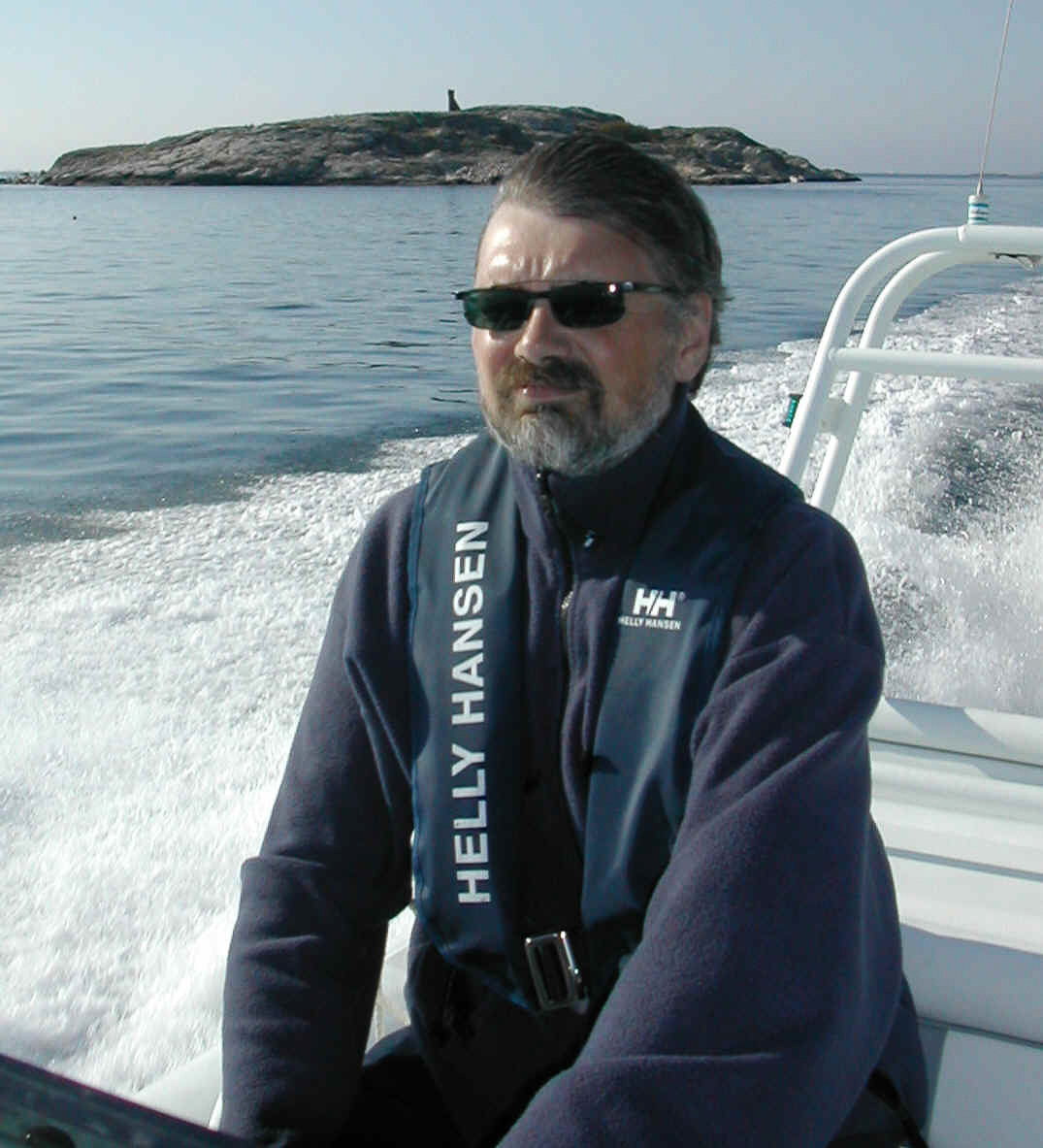
SKÄRGÅRDSDOKTORN


